Filter presses are essential tools in dewatering operations across industries like mining, aggregates, chemical processing and wastewater treatment. When operating efficiently, they help reduce waste, recover valuable materials and minimize environmental impact. However, like any mechanical system, filter presses come with their own set of operational challenges. Understanding these issues and knowing how to address them can dramatically improve performance, reduce downtime and extend equipment life.
1. Cloth Blinding and Premature Wear
Filter cloths are the heart of the filtration process, but they are also one of the most vulnerable components. Over time, fine particles in the slurry can clog the cloth pores (a process known as blinding), reducing filtration efficiency and increasing cycle times. In aggressive applications, cloths may also wear out prematurely due to abrasion or chemical attack.
Solutions:
- Routine cloth inspection and cleaning: Implement a regular maintenance schedule to inspect and clean cloths using low-pressure water or air.
- Use appropriate cloth materials: Match cloth material to the slurry’s chemical and physical properties.
- Upgrade to rapid-change systems: Systems like the patents-pending QUICKCHANGE™ allow for faster cloth replacement, reducing downtime and labor costs.
2. Inconsistent Cake Formation
Achieving uniform cake formation is critical for maximizing dewatering efficiency and maintaining consistent cycle times. When cakes form unevenly or incompletely, it can result in wet spots, poor cake release and reduced filtration performance. This issue often arises from fluctuating feed pressure, inconsistent slurry composition or improperly tensioned cloths. Inconsistent cakes can also cause mechanical stress on plates and cloths, accelerating wear and increasing the likelihood of equipment failure. Over time, inconsistent cake formation can compromise the reliability of the entire system.
Solutions:
• Monitor feed pressure and flow rates: Ensure consistent pressure and volume throughout the cycle.
• Optimize slurry conditioning: Use flocculants or pH adjustment to improve particle aggregation.
• Check cloth tension and alignment: Loose or misaligned cloths can cause bypassing and uneven cake buildup.
3. Hydraulic System Failures
The hydraulic system is the driving force behind the opening and closing of the filter press. When functioning properly, it ensures tight sealing during filtration and smooth plate separation during cake discharge. However, leaks, pressure drops or pump failures can bring operations to a standstill. These issues are often caused by worn seals, contaminated hydraulic fluid or aging components. Hydraulic failures not only disrupt production but can also pose safety risks and lead to costly emergency repairs if not addressed promptly.
Solutions:
• Regular fluid checks: Monitor hydraulic fluid levels and quality to prevent contamination.
• Inspect seals and hoses: Replace worn components before they fail.
• Schedule preventative maintenance: Don’t wait for breakdowns. Plan ahead with routine system checks.
4. Slow Cycle Times
Extended cycle times are a common bottleneck in filter press operations. When filtration takes longer than expected, it reduces overall throughput and can delay downstream processes. Slow cycles are typically caused by low feed pressure, cloth blinding or poor cake release. In some cases, outdated control systems or manual operation can further contribute to inefficiencies. Over time, these delays can impact production targets, increase energy consumption and strain labor resources.
Solutions:
• Automate where possible: Use sensors and control systems to optimize cycle timing.
• Upgrade feed pumps: Ensure pumps are sized correctly for the application.
• Improve cake release: Use non-stick cloth coatings or vibration systems to aid in cake drop.
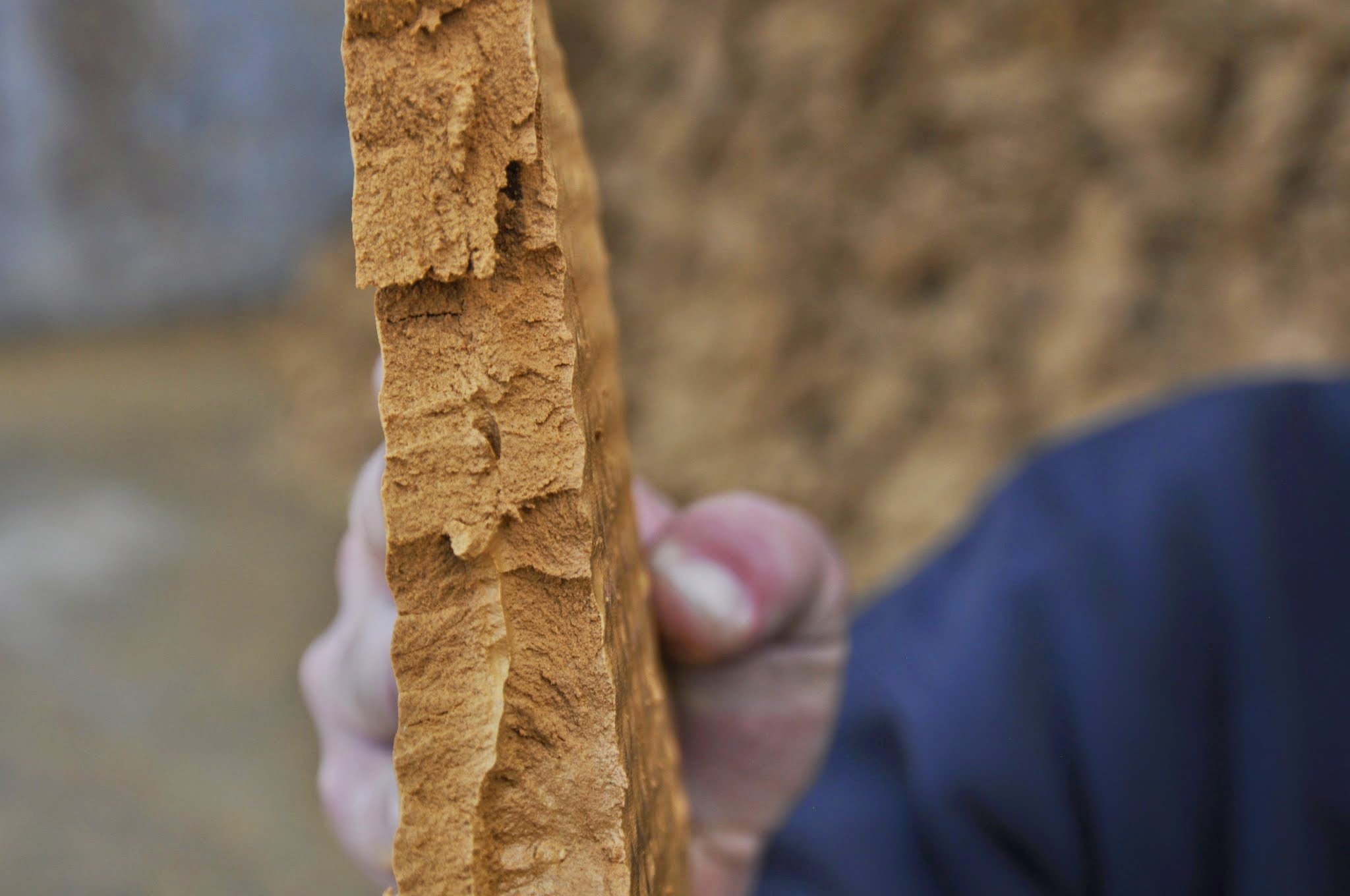
5. Cake Sticking and Poor Release
Filter cakes that stick to the cloth or plates can significantly slow down operations. Manual scraping is often required, which increases labor costs and exposes operators to potential safety hazards. Sticky cakes are usually the result of fine particle composition, high moisture content or inadequate cloth tension. In severe cases, cake adhesion can damage cloths or plates, leading to more frequent maintenance and reduced equipment lifespan. Ensuring reliable cake release is essential for maintaining cycle efficiency and minimizing operator intervention.
Solutions:
• Use cake release agents or coatings: These reduce adhesion and improve drop consistency.
• Install plate shakers or vibrators: Mechanical aids can help dislodge stubborn cakes.
• Ensure proper cloth tension: Loose cloths can trap cake material and hinder release
6. Plate Damage and Misalignment
Filter plates endure high pressure during each cycle, making them susceptible to damage over time. Cracks, warping or misalignment can compromise the seal between plates, leading to slurry leakage and inefficient filtration. Misaligned plates can also cause uneven cake formation and increase wear on cloths. Damage often occurs during manual handling, especially during cloth changes or maintenance. Without proper training and tools, operators may inadvertently shorten the life of these critical components.
Solutions:
• Inspect plates regularly: Look for signs of wear, cracks or bowing.
• Train operators on proper handling: Mishandling plates during maintenance can cause damage.
• Use alignment guides or automation: These reduce human error and improve consistency.
7. Safety and Ergonomics
Filter press operations involve repetitive manual tasks such as cloth changes, cake removal and plate handling. These activities can pose significant safety risks and ergonomic strain for operators, especially in high-volume or continuous operations. Poor ergonomics can lead to fatigue, injury and reduced productivity. In addition, inadequate training or lack of proper personal protective equipment (PPE) can increase the likelihood of accidents. Creating a safe and efficient work environment is essential for long-term operational success.
Solutions:
• Invest in rapid-change systems: Reduce manual labor and improve safety.
• Automate repetitive tasks: Use robotics or mechanical aids where feasible.
• Provide proper PPE and training: Ensure operators are equipped and educated on safe practices.
Conclusion
Filter press operations are complex, but many of the most common challenges can be mitigated with proactive maintenance, thoughtful upgrades and operator training. Whether you’re dealing with cloth blinding, hydraulic issues or cake release problems, the key is to stay ahead of the curve with smart systems and consistent oversight.
Solutions like the patents-pending QUICKCHANGE™ Rapid Filter Cloth Changeout System are designed to address many of these pain points by streamlining cloth changes, improving safety and minimizing downtime. By investing in the right tools and practices, operators can ensure their filter press runs efficiently, safely and sustainably.